Online gaming has changed dramatically as developers combine familiar mechanics with richer digital experiences. Instead of separating casual games, arcade challenges, and reel-based entertainment into strict categories, modern platforms increasingly mix them together. As a result, players can explore colorful worlds, complete missions, unlock rewards, and encounter chance-based features within the same experience. This hybrid approach creates a fresh direction for online entertainment while keeping gameplay accessible to newcomers today.
The Rise of Hybrid Online Games
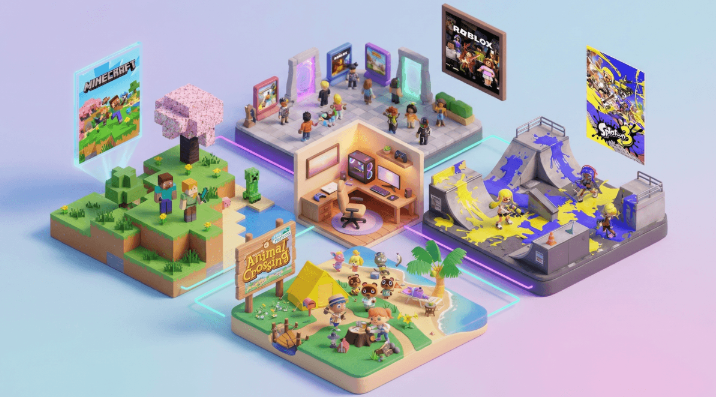
Traditional online games usually followed a clear formula. Puzzle titles focused on problem-solving, action games emphasized quick reactions, and reel games relied heavily on randomized outcomes. However, developers now borrow ideas from several genres at once. A single title may include spinning symbols, collectible items, character progression, bonus maps, and short skill challenges.
This structure gives players more reasons to stay engaged. Rather than repeating one action continuously, they can move between different activities. For example, a player might complete a simple mission, earn a digital key, open a bonus stage, and then activate a randomized reward sequence. Therefore, the experience feels closer to an adventure game even when it includes mechanics inspired by classic slots.
Adventure Mechanics Add More Context
One important trend involves adding stories and exploration to chance-based gameplay. Developers use themed locations, characters, quests, and visual progression to make each session feel connected. A jungle-themed game might ask players to discover temples, while a futuristic title could feature planets, robots, and hidden energy cores.
These elements do not necessarily change the underlying probability system. Nevertheless, they provide context for each action. Players understand why they are collecting certain symbols or unlocking specific features. Consequently, the game becomes more memorable than a simple screen filled with unrelated icons.
Some communities use search phrases such as slot gacor when discussing popular reel-based games, bonus features, or current gaming trends. However, players should still evaluate every title through its official rules, paytable, probability information, and available features rather than relying on promotional labels.
Progression Systems Keep Sessions Dynamic
Progression has become another major feature in hybrid online games. Many titles now include experience points, achievement badges, daily missions, unlockable themes, or seasonal objectives. These systems create goals beyond a single round.
For instance, players may receive points for completing specific combinations or discovering special symbols. After reaching a milestone, they might unlock a new visual environment or bonus challenge. Moreover, progression can encourage experimentation because different objectives require different actions.
Interactive Bonus Rounds Create Variety
Bonus rounds offer another bridge between conventional reel games and interactive entertainment. Instead of automatically awarding a result, some games introduce pick-and-reveal challenges, moving maps, treasure selections, or timed mini-games.
A pirate-themed title, for example, might allow players to choose among several treasure chests. Meanwhile, a fantasy game could ask users to select a path through a magical castle. Although randomized systems may still determine the final outcome, interactive presentation makes the process feel more engaging.
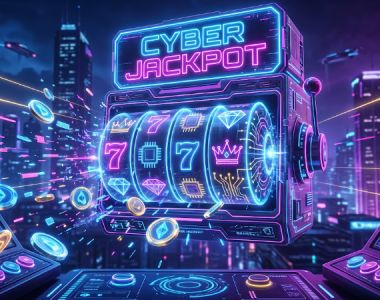
The same principle appears in games associated with terms such as slot 777, where recognizable reel imagery can coexist with modern animations, missions, multipliers, and feature rounds. Thus, familiar visual language can support newer gameplay structures without limiting developers to traditional designs.
Why Visual Design Matters
Strong visual design plays a central role in hybrid gaming. Developers must communicate several systems clearly without overwhelming the player. Therefore, interfaces often use distinct icons, progress bars, animated transitions, and concise instructions.
Sound also supports the experience. Background music can change when a player enters a bonus area, while short audio cues highlight achievements or important events. In addition, responsive animation gives immediate feedback after each interaction.
However, an attractive presentation should not replace clear information. Well-designed games explain their mechanics, display relevant rules, and make important settings easy to find. Players benefit when entertainment and transparency work together.
Mobile Technology Expands the Format
Mobile devices have accelerated this hybrid trend. Modern smartphones can handle detailed graphics, smooth animation, and complex interfaces that once required desktop hardware. Consequently, developers can build richer experiences while maintaining short loading times and touch-friendly controls.
A More Flexible Future for Online Gaming
Hybrid online games show how digital entertainment continues to evolve. By combining reel-inspired mechanics with exploration, progression, missions, and interactive bonuses, developers can create experiences that feel familiar yet noticeably different.
The strongest titles balance creativity with clarity. They offer engaging themes, understandable systems, responsive controls, and transparent rules. Ultimately, this flexible design philosophy gives developers more room to experiment and gives players more varied ways to interact with online games. As technology improves, the boundary between casual adventures, arcade experiences, and chance-based games will likely become even less defined, opening the door to new formats that do not fit neatly into a single traditional genre.