Betting in football is not just about picking winners. Whether it’s a regular league match or a global event like the World Cup 2026, the key to long-term success is finding value in the odds.
Profitable odds occur when the probability of an outcome occurring exceeds the probability the bookmakers suggest. Instead of picking winners, experienced bettors identify when the odds are wrong and act on it. Value bettors shift turns betting from guesswork into a data-driven process. Read to explore how spot value odds in football betting for long-term success.
Convert odds into probability
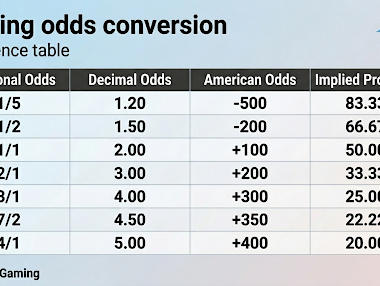
To spot profitable odds, you need to convert bookmaker odds into implied probability. Instead of just looking at the odds in a glance, you need to understand what the market really expects from the match.
For example, if a bookmaker uses decimal odds, you can convert it into implied probability straightforwardly. The formula of implied probability is 1 : decimal odds x 100. So when a team is priced 2.5, the implied probability is 1 : 2.5 x 100 = 40%. This means the bookmaker suggests that the team has a 40% probability of winning the match.
Converting the odds allows you to identify the profitable odds, rather than guessing if the odds are good or not. When you understand the probabilities, you can identify if the bookmaker’s predictions align with your analysis.
Use statistics to estimate true probability
Once you understand the probability implied by bookmakers, the next step is estimating the true probability with the statistics. First, analyze the key factors that influence the match outcomes, such as expected goals, recent team form, injuries and suspensions, and head-to-head records. You can go deeper by analyzing advanced metrics like possession efficiency or shot quality to get a more objective view.
After analyzing the metrics, estimate your own percentage to each possible outcome. This data-driven prediction should be more accurate than what the market implies. Remember to maintain objectivity and avoid emotional judgments when analyzing the factors.
Compare the odds with your probability
After estimating the true probability with statistics, the next step is to compare your probability with the bookmaker’s implied probability. A profitable bet occurs when your estimated probability is higher than the bookmaker’s.
For example, if the odd conversion shows that the bookmaker implies a 40% probability, but your analysis suggests the true chance is 55%, that means the market is underestimating the likelihood of that outcome. The difference of the probabilities represents value, and consistently betting on these mispriced odds can lead to long-term profitability on soccer betting odds.
Key factors that create value
Profitable odds often come from predictable market inefficiencies. The key factors include:
- Market overreaction. Profitable odds often occur when teams are overrated or underrated based on media narratives or recent matches.
- Lack attention on smaller leagues. Bookmakers often produce less efficient odds on less popular competitions.
- Injuries and news delays. Early bettors can take advantage of this factor. Injuries or late team news can shift probabilities before the bookmakers adjust the odds.
- Fixture congestion and fatigue. This often occurs in a busy period when teams compete in multiple tournaments.