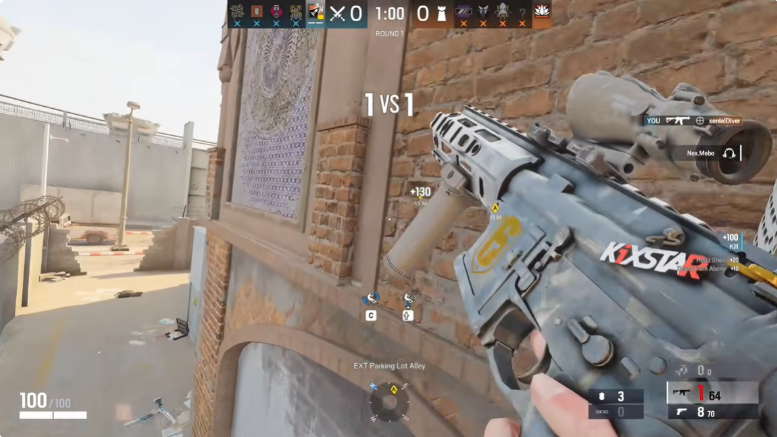
You’re losing gunfights you should win. Not because your aim is terrible, but because you’re playing them wrong.
The harsh truth? Most players treat R6 Siege like a shooting game. It’s not. It’s a tactical chess match where information and positioning matter more than flicks.
After analyzing thousands of rounds from top players, one pattern emerged: Winners stack advantages before shooting. They gather intel, cut rotations, and force uncomfortable fights. Only then do they pull the trigger.
This guide breaks down the exact strategies that separate winners from losers in 2026. No fluff, no obvious advice like “aim for the head.” Just practical tactics you can use tonight.
The 97% Rule: Why Information Wins Gunfights
Here’s something most players miss: Pro attackers win 97% of their gunfights when they have three things stacked—information, utility advantage, and map control.
That number drops to less than 50% when they push without intel.
The fix is stupidly simple but rarely executed: Save your prep phase drones. Most players burn through drones immediately, then attack blind. Instead, place drones in key positions to reveal roamer locations before you push.
On Coastline, park a drone near Kitchen to spot Banshee traps and anchors. On Bank, keep one watching CEO rotation to catch early flanks. These saved drones become your eyes during the actual push.
Sound obvious? Watch your replays. Most rounds you die, you probably pushed without knowing where enemies were camping.
Isolate Fights or Die Trying
Fighting multiple enemies simultaneously tanks your win rate. Even pros struggle against two decent players shooting from different angles.
The solution? Cut rotations before engaging. Block doorways, hold angles that prevent reinforcements, and force 1v1 situations. On Bank, cutting the rotation between Tellers and Archives isolates defenders, making picks easier.
When you must peek multiple enemies, reposition constantly. Swing once, get a pick, then move. Staying stationary against crossfires is suicide, regardless of your mechanical skill.
The Positioning Advantage
Mechanical skill matters less than you think. Positioning and timing beat raw aim every single time. Before challenging anyone, ask yourself: Do I have the information advantage? The utility advantage? Height advantage?
Stack at least two of these before taking the fight. Otherwise, you’re gambling, not playing tactically.
Crosshair Placement Beats Flicks
Stop relying on reaction speed. Pre-aim where heads will be. When you round a corner, your crosshair should already be at head level where enemies typically hold angles.
Here’s the uncomfortable truth: Most “bad aim” is actually bad crosshair placement. Players aim at torsos or doors instead of head height. Then they wonder why they lose trades.
Adjust your pre-aim based on expected enemy positions. If defenders usually swing aggressively on certain maps, pre-aim wider angles. If they play passive, tighten your focus to common holds.
Movement during engagements matters too. Strafe slightly to disrupt enemy crosshair placement while maintaining your own. Small adjustments create massive advantages in gunfights.
Team Communication Changes Everything
Solo queue is brutal because communication breaks down. But even with randoms, you can lead through consistent callouts.
Share three things constantly: enemy positions, what utility you’re using, and what you need from teammates. “Jaeger is Kitchen, throwing flashbangs, need someone to trade me” beats “Jaeger Kitchen” by miles.
Coordinate crossfires deliberately. Tell teammates you’re pushing from one angle and ask them to hold another. Two average players with coordinated angles beat one excellent player pushing alone.
Between rounds, discuss what worked and what didn’t. If your roof breach failed, adapt immediately. Rigidity loses rounds. Teams that adjust mid-match win matches.
Common Mistakes That Cost Rounds
Predictability kills. If you rush the same angle every round, decent defenders will pre-fire it. Vary your approach constantly. Different entries, different timings, different utility usage. Keep opponents guessing.
Passive play after getting control wastes your advantages. Once you cut rotations and gather intel, push the advantage aggressively. Sitting on leads lets defenders reset and retake initiative.
Poor utility sequencing destroys attacks before they start. Use drones first, then breach charges or flashes, then push. Reversing this order or skipping steps creates unnecessary risk.
Tactical Awareness Tools and Competitive Edge
Top players process information faster than average ones. They track enemy positions, predict rotations, and anticipate traps almost instantly. This comes from experience—thousands of rounds build pattern recognition.
But what if you could accelerate this learning curve?
Some players supplement their skill development with tactical awareness tools. Undetected R6 hacks by Battlelog offer ESP features and radar capabilities that help players understand positioning and information gathering at a competitive level.
These tools work because they mimic the same intel advantages that pros create naturally through drones and communication. The key difference? Faster processing speeds during critical moments.
Battlelog’s 493,000+ member community uses these enhancements to bridge the gap between mechanical skill and game sense, making them particularly valuable for players climbing ranks.
Mental Game and Round-by-Round Adaptation
Every round teaches something. Defenders switching sites? Adjust your drone placement. Enemy Jaeger playing aggressively? Bait him into isolation. Opponents respecting your pushes too much? Rush faster to catch them repositioning.
Stay unpredictable without being random. Have three or four strategies ready per map, rotating based on what defenders show you. Pattern-breaking beats mechanical skill when opponents can’t predict your moves.
Final Thoughts on Winning More
Winning in R6 Siege isn’t about godlike aim or perfect reflexes. It’s about playing smarter—gathering information, isolating fights, stacking advantages, and communicating effectively.
Start tonight: Save drones during prep, pre-aim at head level, cut one rotation before pushing, and make one clear callout per round. These small changes compound into significantly better results.
And remember—the best players aren’t necessarily the ones with the fastest reflexes. They’re the ones who consistently put themselves in winning positions before the shooting starts.